


Are Men or Women More Likely to Have Dry Eyes?
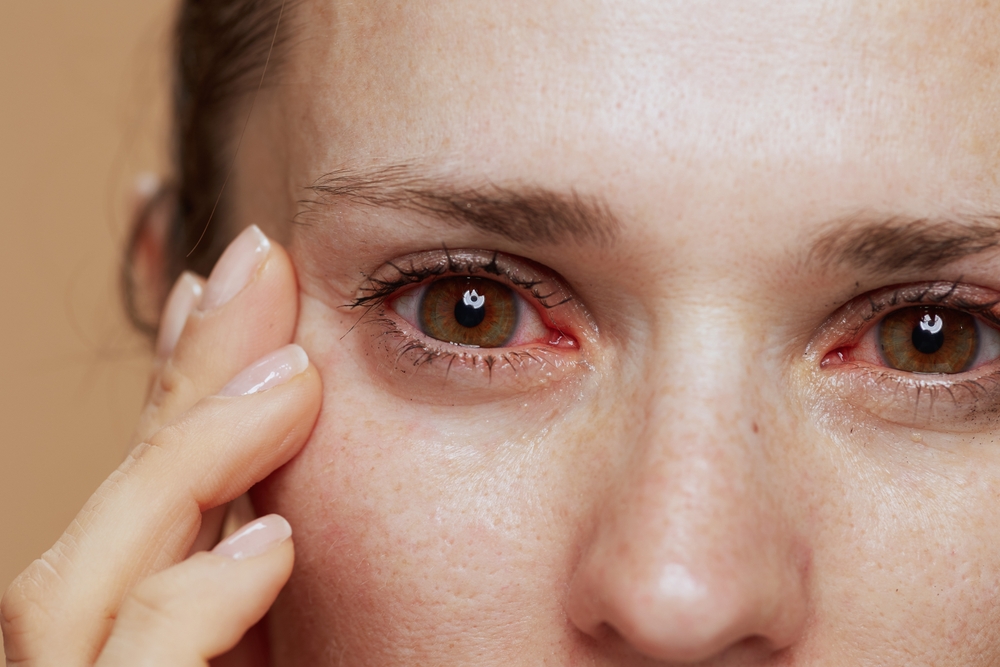
Dry eye disease is a common condition that affects millions of people, causing symptoms like burning, irritation, redness, blurred vision, and a gritty sensation in the eyes. While dry eyes can impact anyone, research consistently shows that women are more likely than men to experience dry eye symptoms. Understanding why this difference exists can help patients recognize risk factors early and seek appropriate care.
What Is Dry Eye Disease?
Dry eye disease occurs when the eyes do not produce enough tears or when the tears evaporate too quickly. Healthy tears are essential for maintaining clear vision, comfort, and eye surface health. When tear quality or quantity is disrupted, the eyes can become inflamed and irritated.
Common symptoms include:
• Stinging or burning sensations
• Redness or irritation
• Feeling like something is in the eye
• Excessive tearing
• Blurred or fluctuating vision
• Eye fatigue, especially after screen use
Why Women Are More Likely to Have Dry Eyes
Studies show that women are significantly more likely than men to develop dry eye disease, particularly after the age of 40. Hormonal differences are the primary reason for this increased risk.
Hormones play a major role in maintaining the health of the tear film, especially the oily layer produced by the meibomian glands. This oil helps prevent tears from evaporating too quickly.
• Estrogen and androgen levels influence tear production and oil gland function.
• Lower androgen levels, which are more common in women, are associated with reduced tear stability.
• Hormonal changes during pregnancy, menopause, and while using hormonal birth control can worsen dry eye symptoms.
Postmenopausal women experience dry eye at much higher rates due to declining hormone levels. Hormone replacement therapy may help some symptoms, but it does not always resolve dry eye and may even worsen symptoms in certain individuals.
Other Factors That Increase Dry Eye Risk in Women
While hormones play a major role in dry eye disease, several additional factors can further increase a person’s risk. These influences can compound existing vulnerabilities and make symptoms more noticeable or persistent over time.
Autoimmune conditions are one significant contributor. Women are more likely to develop autoimmune diseases such as Sjögren’s syndrome, rheumatoid arthritis, and lupus. These conditions can interfere with the body’s ability to produce healthy tears, often leading to chronic dry eye and ongoing discomfort.
Cosmetic habits and lifestyle choices may also play a role in worsening dry eye symptoms. Frequent use of eye makeup - particularly eyeliner applied along the lash line - can block oil glands that are essential for tear stability. Incomplete makeup removal can further irritate the eyes. Additionally, increased screen time for work or personal use, as well as contact lens wear, can place added stress on the ocular surface.
Why Diagnosis and Treatment Matter
Untreated dry eye disease can lead to chronic discomfort, blurred vision, and inflammation of the eye surface. Over time, it may increase the risk of eye infections or damage to the cornea.
At Limestone Eye Care, a comprehensive eye exam can identify the underlying cause of dry eye, whether it is related to tear production, tear quality, inflammation, or gland dysfunction. Proper diagnosis allows for targeted treatment rather than relying solely on over-the-counter eye drops.
Schedule a Dry Eye Evaluation at Limestone Eye Care
While both men and women can develop dry eye disease, women are more likely to experience symptoms due to hormonal influences, autoimmune conditions, and life-stage changes such as menopause. Men are not immune, however, and lifestyle factors, aging, and medications can increase risk for anyone. Recognizing symptoms early and receiving a proper diagnosis is key to protecting your comfort and vision.
Schedule a dry eye evaluation at Limestone Eye Care to learn more about personalized treatment plans designed to address the root cause of your symptoms. Visit our office in Lawrence, Kansas, or call (785) 268-6880 to book an appointment today.


MAP
Contact Info

Office Hours
Monday 8:00 AM - 5:30 PM
Tuesday 9:00 AM - 6:00 PM
Wednesday 8:00 AM - 5:30 PM
Thursday 8:00 AM - 5:30 PM
Friday 7:30 AM - 5:00 PM
Saturday Closed
Sunday Closed
Powered by: 
