


Why Are My Eyes Itchy and Watery Every September in Lawrence? (Fall Ragweed vs. Dry Eye)
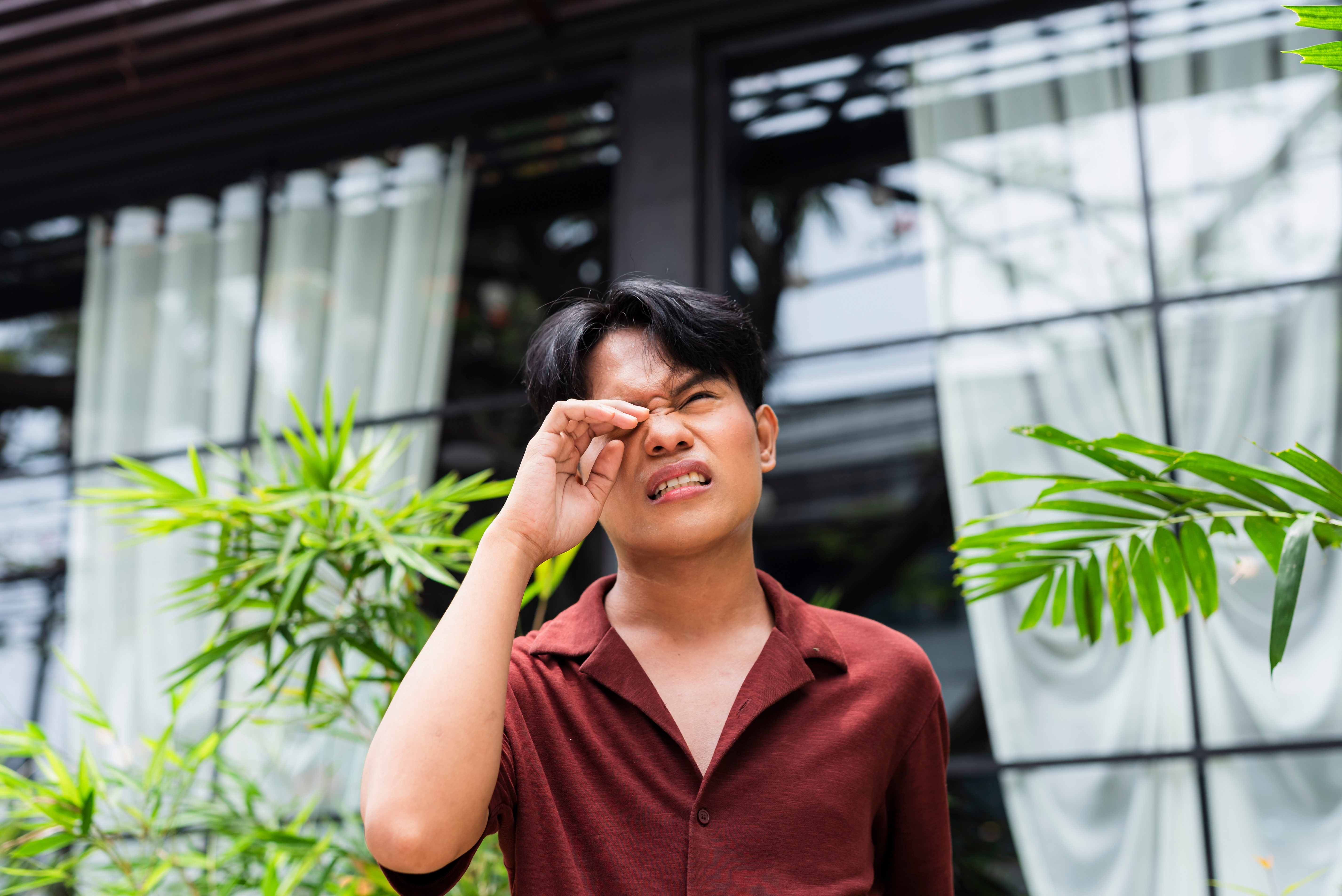
If your eyes seem to become itchy, watery, red, or irritated every September, fall allergies may be part of the problem. Ragweed is a major seasonal allergen during late summer and fall, and pollen levels often peak around September. At the same time, wind, changing humidity, screen use, and indoor air can make dry eye symptoms more noticeable.
At Limestone Eye Care in Lawrence, we evaluate both eye allergies and dry eye to determine what is actually causing recurring irritation. Because the symptoms can overlap, identifying the difference is important before choosing eye drops or other treatment.
Why Ragweed Can Make Your Eyes Itch
When ragweed pollen reaches the surface of your eyes, your immune system may react by releasing histamine. This can trigger allergic conjunctivitis, which causes itching, redness, tearing, and eyelid swelling.
Fall allergy symptoms often affect both eyes and may become worse after spending time outdoors, especially on windy days when pollen is easily carried through the air.
Signs that eye allergies may be contributing include:
- Intense itching in both eyes
- Clear, watery tearing
- Redness or irritation
- Puffy or swollen eyelids
- Sneezing or nasal congestion
- Symptoms that worsen outdoors
- Similar flare-ups at the same time each year
Itching is often a strong clue that allergies are involved, although an eye exam can help rule out other causes.
Why Dry Eye Can Also Make Your Eyes Water
Watery eyes may seem like the opposite of dry eye, but excessive tearing can actually be a response to irritation.
A healthy tear film needs the right balance of moisture and oils. If tears evaporate too quickly or do not adequately coat the eye, the surface becomes irritated. Your eyes may respond by producing watery reflex tears.
These tears do not always provide lasting lubrication, which means your eyes can feel both watery and dry at the same time.
Dry eye is more likely to cause burning, grittiness, fluctuating vision, or a feeling that something is stuck in your eyes. Symptoms may also worsen during prolonged computer use or contact lens wear.
Ragweed Allergies and Dry Eye Can Overlap
For some Lawrence patients, the answer is not allergies or dry eye. It is both.
Allergy-related inflammation can make the ocular surface more sensitive, while an unstable tear film can make exposure to pollen and wind feel even more irritating. Certain allergy medications may also contribute to dryness in some patients.
This overlap is why repeatedly switching between artificial tears and allergy drops may not provide complete relief.
How We Approach Dry Eye and Allergy Treatment
Limestone Eye Care offers treatment based on the underlying cause and severity of symptoms.
For dry eye, options may include artificial tears, prescription medications such as Restasis, steroid eye drops when appropriate, eyelid care, lifestyle changes, or other personalized recommendations.
For eye allergies, special allergy eye drops may be recommended. Contact lens wearers may also benefit from changing lens type when certain materials or replacement schedules contribute to allergen buildup.
The goal is to treat the actual source of irritation rather than simply masking redness for a few hours.
Simple Ways to Reduce September Eye Irritation
Wearing sunglasses outdoors can help shield your eyes from wind and pollen. Washing your face and changing clothes after extended outdoor activity may also reduce allergens brought indoors.
Avoid rubbing itchy eyes because rubbing can intensify irritation. Preservative-free artificial tears may help rinse pollen from the eye while adding moisture, and a cool compress can temporarily soothe allergy-related itching and swelling.
If itchy, watery, burning, or gritty eyes return every September, schedule an eye exam with Limestone Eye Care at 4320 W. 6th Street, Suite 103, Lawrence, KS 66049, or call (785) 268-6880 to determine whether fall allergies, dry eye, or both are behind your symptoms and find a personalized treatment plan.


MAP
Contact Info

Office Hours
Monday 8:00 AM - 5:30 PM
Tuesday 9:00 AM - 6:00 PM
Wednesday 8:00 AM - 5:30 PM
Thursday 8:00 AM - 5:30 PM
Friday 7:30 AM - 5:00 PM
Saturday Closed
Sunday Closed
Powered by: 
